ARTfarm Season Finale! Last Saturday

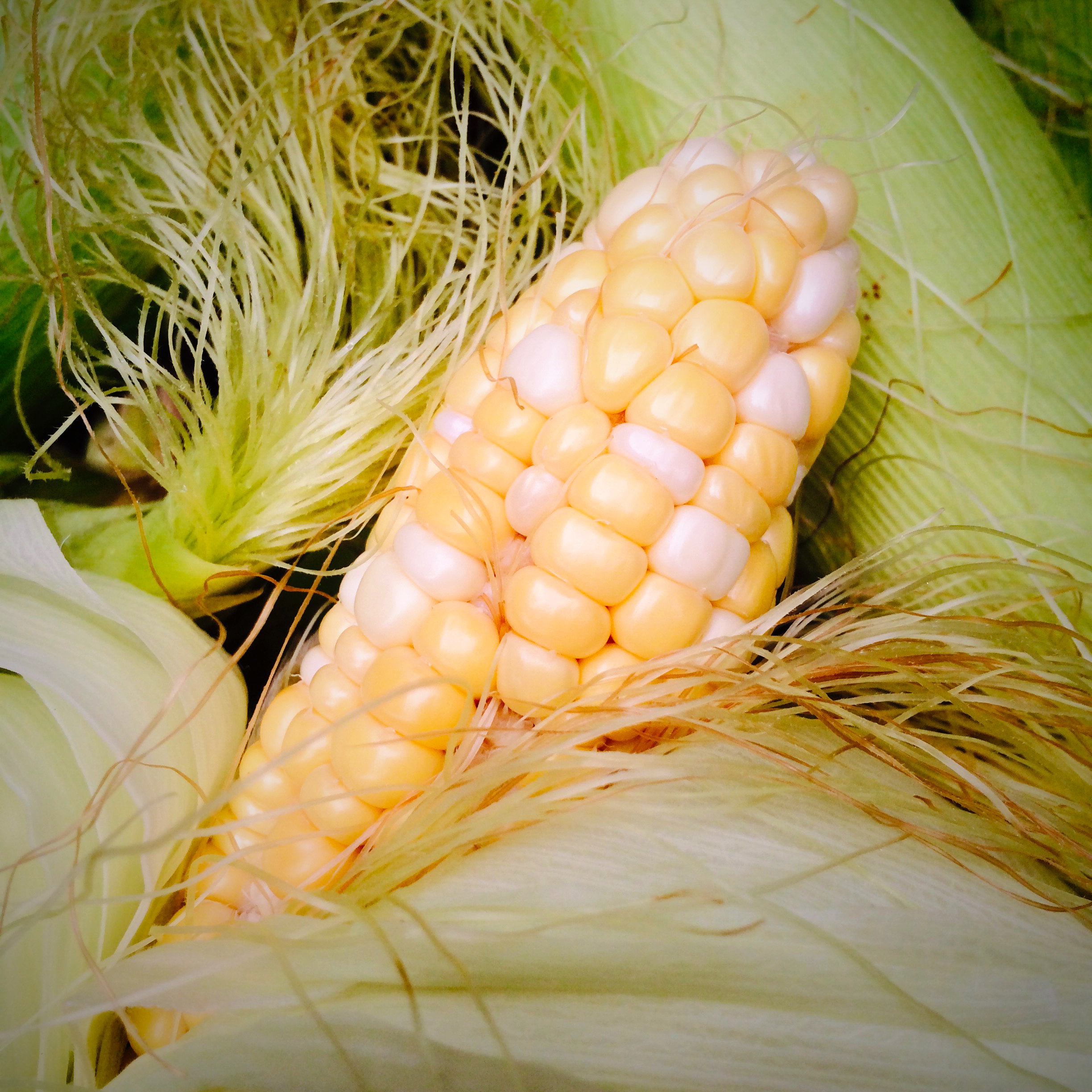
ARTfarm sweet cornAll good things must come to an end; summer, a great meal, a super dance club extended remix, and the season at ARTfarm. There will be a few weeks’ pause before the next season begins.

Today, 10am – 12 noon: Sweet salad mix, arugula, beets, sweet corn, onions, sweet potato greens, bunched arugula, Kang Kong Asian water spinach, Italian basil, holy basil, garlic chives, recao, mint, tarragon, bananas, papayas, and soursop! From our partners, we have dragonfruit from Solitude Farms, raw local dark honey from Errol, bread from Tess, and our famous “Shades of Joy” magic color indicator avocados from Tita & Diego.

Q&A: Someone stopped us in a parking lot the other day and asked us if our arugula was organic. For anyone who might be wondering, all ARTfarm produce is grown using organic methods, to the standards of USDA Certified Organic produce. In some cases, our sustainable practices exceed what is required by the USDA NOP (National Organic Program), and our farming philosophy and practices have continuously met our strict standards since 1999 on St. Croix.

BUT… it is against US law to claim that your produce is “organic” unless you have spent the time and money to achieve organic certification through a USDA approved agency. This involves lots of paperwork, expensive fees, a percentage of the farm’s profit going to a certifying agency on an annual basis, and flying an inspector to the island at the farm’s expense at regular intervals to examine our records and practices.

There are pros and cons to having the USDA organic stamp of approval. We respect those farms who have gone through the arduous process of becoming organic certified. We are considering the process, but are not interested in raising our prices to cover the cost. The official stamp from the USDA doesn’t seem to be important to most of our customers.

But is our arugula organic? If you really want to know, get to know your farmer. Ask about our farming practices. Ask how we raise food sustainably using organic methods. Ask us if we are involved in the community. Learn more about the debate and what growing organically really means, so you know the right questions to ask! You might just find the long answer as assuring and satisfying as the shortcut of a sticker stuck to your food. 😉

Love, ARTfarm

Is ARTfarm Organic?

Q: Is ARTfarm food really “organic”?

A: It depends.

Luca has been farming on St. Croix to the specifications of the USDA’s National Organic Program (which regulates the certification of organic produce and farms in the USA) continuously since 1999. According to the techniques logged in our detailed farm records, we have either met or exceeded the USDA standards for the production of organically grown produce consistently over that entire period. ARTfarm in its current location is situated on pastureland that has been farmed and ranched (free of any chemicals or non-sustainable methods) continuously since the 1700s. However, we have not been certified officially by the USDA as a certified organic farm. Therefore, even though all of our produce is organically grown to USDA Organic specs, we cannot and do not legally claim that any of our products are “USDA Organic”.

MANY if not MOST small farms that fall under the jurisdiction of the USDA have chosen NOT to get certified, not because they aren’t practicing organic production techniques, but because it is a lengthy and rather expensive process that for the most part does not justify its expense. Unless you are a large farm growing commodity amounts of a crop to be sold as certified organic for use in packaged products, organic certification with the USDA is a marketing strategy. It does not change one’s farming philosophy or choice for or against sustainable techniques.

So, if a customer asks us if our arugula is organic, the answer is “officially, it is not considered organic by the USDA because it is not certified.” If a customer asks us if our arugula is grown to the standards of the USDA National Organic Program, we would say “Yes, all of our produce at ARTfarm is grown to the USDA organic specifications. We keep detailed records, we use sustainable farming methods, only when absolutely necessary do we sparingly use nonsynthetic treatments only of the type that are OMRI certified for use on organic farms. However we have not been inspected by a USDA approved organic certifying agency.”

If a customer asks us WHY we are not certified organic, we’d say, “We pursued it seriously and actively and found this: it’s incredibly expensive and not eco-friendly to fly in and house a USDA certified inspector from off island ANNUALLY, it involves reams of federal paperwork that is onerous and uses up many man-hours in labor, and we don’t believe our customers want to offset that cost in our prices. We’ve already got enough documentation chores from the local Department of Ag, and the USDA’s NRCS and FSA. We’d rather spend the time and energy growing more food. It simply does not align with our core values or the needs of our business to spend money and time getting USDA Certified.”

If a customer asks us WHY we bother to grow sustainably and organically, we’d say “We’re parents. We care about safety and want to trust that our farm is free from harmful substances. We’re artists. Organic sustainable growing is more harmonious, fascinating, challenging, and personally and aesthetically satisfying. We’re conscious humans. We care about stewarding the environment in the next seven generations and beyond. Big Ag loves to debate it, but we and the FAO think growing organically with sustainable practices is better for the planet. We’re foodies, and we agree with our customers and chefs who constantly tell us the food tastes better when you put that kind of care and love into it.”

Does it really matter if your produce is: locally grown with organic approved methods, by conscientious people you know personally, or: certified organic by a federal agency?

Our position is, yes, and no.

Know Your Farmer Monday @ ARTfarm. Open 3-6!

Q: Are centipedes good or bad?

A: Of all the creepy crawlies that quickly scurry under the bed at night, Virgin Islanders love to hate centipedes. But centipedes are top predators in the insect world. This makes them extremely beneficial for an organic vegetable farm. Centipedes take the night shift from wasps and birds, hunting and devouring slugs, caterpillars, cockroaches and countless other garden vegetable pests from dusk till dawn. In turn, centipedes themselves become a rich protein feast for birds and other omnivores further up the food chain.20140331-143745.jpg
It takes a year for the average centipede to reach sexual maturity. The mother will lay a small number of eggs and then protect them devotedly with her body until they hatch. If you pick up an object in the garden and find a centipede curled up in the soil underneath who doesn't immediately scurry away, it's probably a mother protecting her brood. Take the opportunity to look closely at her. Centipedes can have incredible rainbows of color from red to yellow to bright blue and purple in their exoskeletons, with delicate little legs perfectly aligned in a celebration of fractal beauty.

A centipede delivers a venomous bite through specially modified front legs near their head. A centipede bite is not typically deadly for humans or pets, but can give a strong reaction like a bee or wasp sting and should be treated as such.

Centipedes have terrible vision and can only see light and shadow. This is why, when you switch on the light in a dark room, a centipede may scurry toward you. They are not attacking you, but are simply trying to get out of the light, and your shadow is appealing to them.

If you have a lot of centipedes in and around your home, one of the most effective ways to get rid of them is to keep a chicken loose around in your yard. Laugh if you will, but integrated pest management is an important part of managing pest loads on an organic farm, and the delicious eggs are a big plus.

Monday's stand, open 3–6 p.m., Transfer Day 2014: Freshly made sweet salad mix, spicy salad mix, arugula, beautiful carrots, Bodhi beans, chili peppers, cherry, plum, heirloom and slicer tomatoes, and passionfruit. Raw local honey from Errol, and Wanda's fantastic honey mustard dressing and honey mead sampler gift boxes, as well.

A lovable animated centipede stars in this family movie from the Roald Dahl book, James and the Giant Peach!