

It’s dry out here! Today’s pungent harvest: Sweet salad mix, baby arugula, baby and regular spicy salad mixes, arugula, onions, scallions, cilantro, Italian basil, lots of tomatoes, slicers and heirlooms, cherry tomatoes, and the last of the figs for a while.
Q: Why aren’t your salad greens as sweet this week as they were last week? Why are the stems larger/smaller? Why isn’t the spicy as spicy as it was last time? etc. etc….?
A: While one could chalk this up to simple nostalgia, it’s more likely that variations are due to two main reasons:
(1) Mother nature’s treatment of our crops is the primary source of this shift in taste from week to week. Even as our recipes remain unchanged, small changes in the weather can affect the taste of our salad mix.
When temperatures are hotter during a portion of the growth cycle of the lettuce heads in our fields, they respond as many living beings do under stress: they attempt to defend themselves from being eaten as they try to propagate. Lettuce will tend to take on a more bitter flavor in hot weather as it accelerates toward the bolting and seeding cycle of its life (as it would during hot late summer months in the cooler parts of the world). If we encounter cooler and rainier weather, the lettuce will be sweeter. Even a brief few days of intense heat can alter the taste of plants. And variations in weather now can affect the salad flavor two or three weeks from now, as the plants are in their growth cycle.
Spicy greens become more peppery when the weather is very hot and dry, and will taste milder when we’ve had a lot of wet weather. Our formulas for the types of greens and their quantities in the various mixes stays consistent from harvest to harvest, but the weather can change the flavors in the bag of salad you take home.
Occasionally we do have to change the formulation of a salad mix because seed is not available for some of the tasty baby greens that add so much flavor to our mixes. We find a substitution that is similar, but this can also change the taste of our salad mixes over the course of the season.
(2) The other factor that comes into play in the consistency of ARTfarm salad greens from bag to bag is what we like to call the Jackson Pollock effect.
When we make the salad mix we use a very large sanitized stainless surface and mix in many different baby mesclun greens with multiple large chopped lettuce varieties.
When creating his splatter paint pop art creations of the 1960s, Jackson Pollock employed a similar technique. He would toss different colors in random patterns throughout his large canvases.
What we do next at ARTfarm is essentially like taking that large amazing Jackson Pollock painting and cutting it up into many small pieces. Each portion of the canvas represents a bag of ARTfarm salad mix. Some bags will have more large pieces of stem from the base of the lettuce head; other bags will contain a little bit more of the baby mesclun greens; others will be a perfect blend of all the different ingredients that we put into the salad mix. Every bag is a little different because they’re all prepared by hand, and the weather, the secret intentions of mother nature, and the randomness of our process ensure that your experience will always be fresh!


We know that our customers seek us out because they want real produce that tastes like the place it was grown. We know you can handle a little variety. But, if you ever purchase a bag of salad greens from ARTfarm that you find inedible, please bring it back to us. We’d always like to hear from our customers, good or bad, how you feel about our products, and if we’ve goofed and a product is not up to our normal level of quality, we would be happy to replace it with something you find tastier.
We grow this stuff for you, after all!

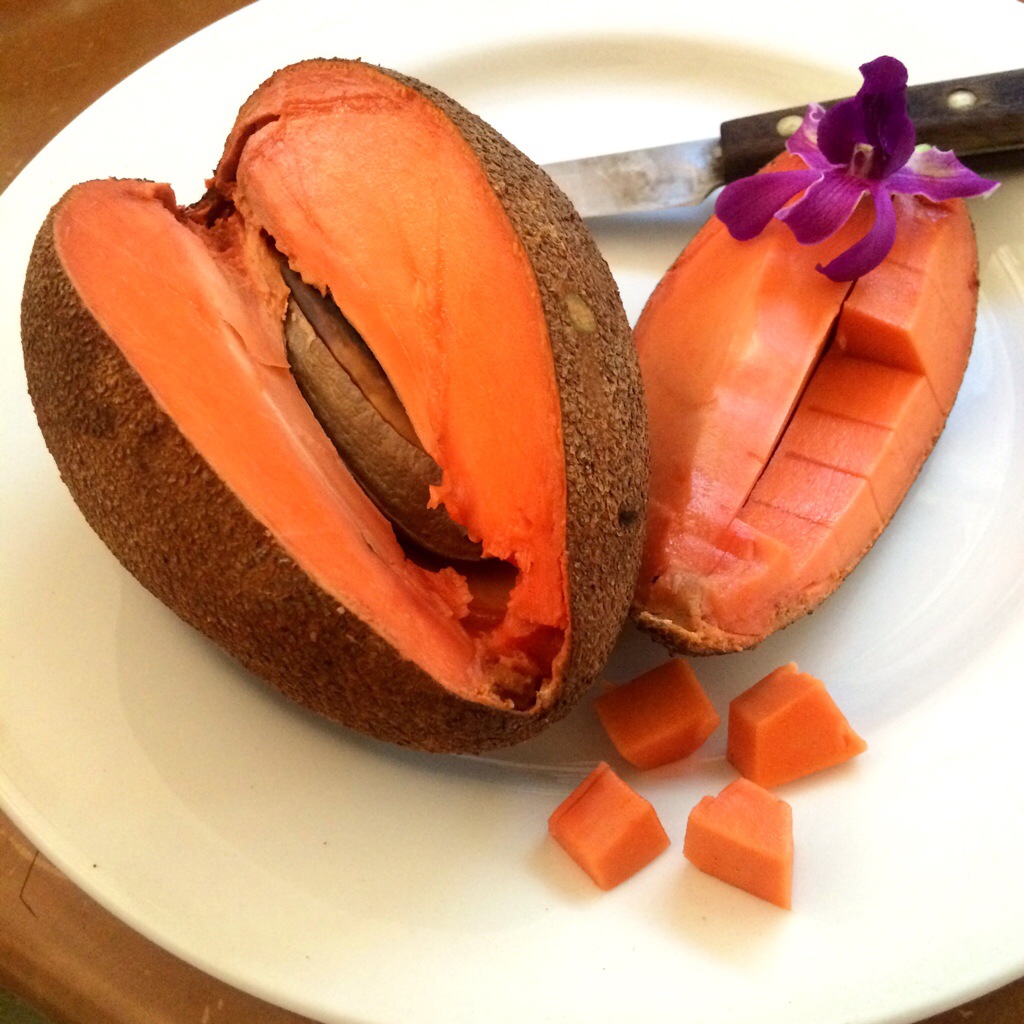
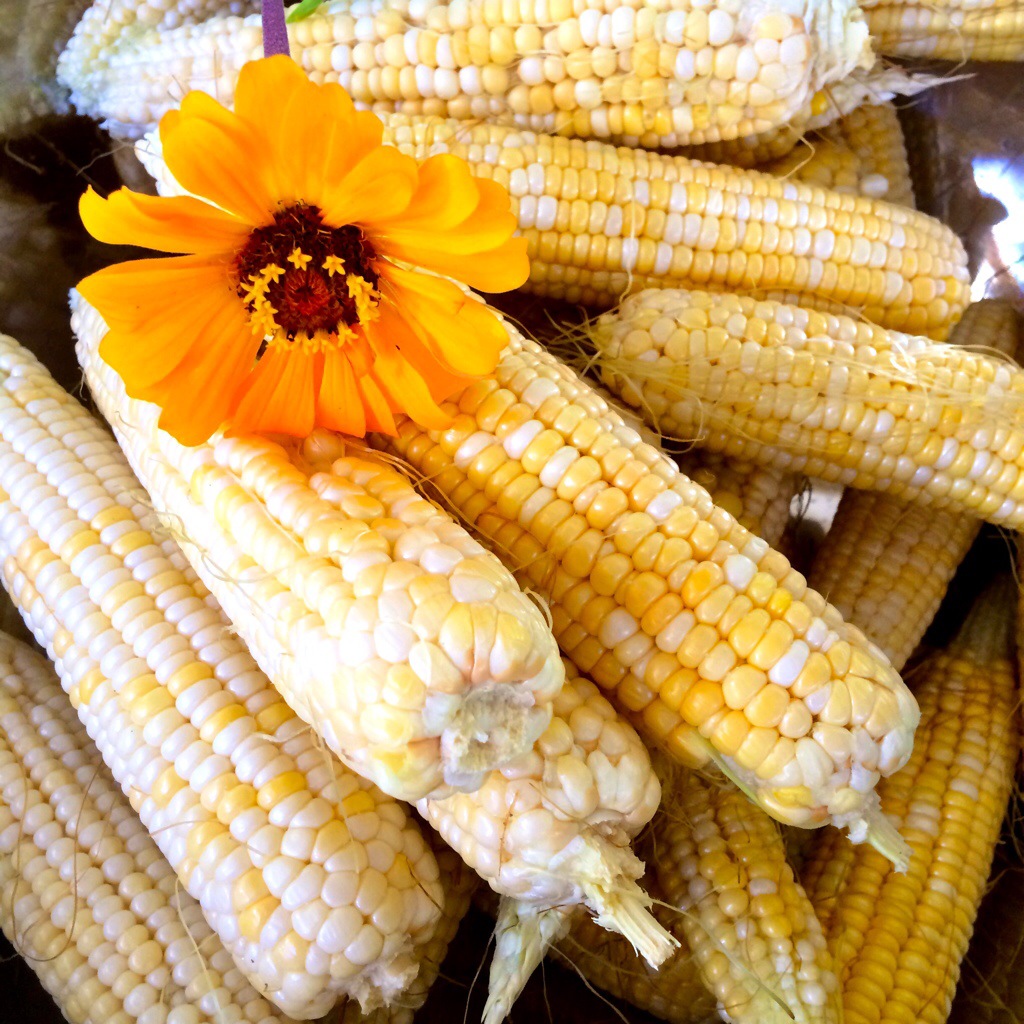 Good news/bad news time, dear readers: Due perhaps to the extremely dry conditions we’ve had over this spring and summer, the Nam doc Mai, Julie and Malika mangoes are ending early. The harvest is finished, but the trees are flowering now, which means that they should have fruit again in a few months. So there will be a strange off-season of mangoes in fall/winter if all goes well and the trees hang onto their fruit through the storm season. We still have several more weeks of cucumbers in the gardens, some dragonfruits ripening on the vines, and we will do our best to continue some lettuce production despite the super dry conditions for a few more weeks. Everybody, please do a rain dance out there and let’s get some precipitation on St. Croix!
