ARTfarm Q&A Monday with Farmer Luca! Open 3–6, Rain or Shine!

Q: Are Jack Spaniards (aka yellowjackets, paper wasps) good?

A: They are. They eat caterpillars off of our tomato and lettuce plants. So we consider them a “beneficial” insect, along with praying mantises, honeybees, ladybugs and lacewings. Jacks do deliver a nasty sting, but only when their nest is disturbed. As long as their nest is not in a high-traffic area, we let them stay. These beneficials do the work of insecticides, so that we don’t need to spray chemicals on our plants and soil.

Monday’s harvest: Sweet salad mix, spicy salad mix, microgreens, cooking greens, cilantro, carrots, radishes, lots of tomatoes in a variety of colors, shapes, and sizes by the pound, cherry tomatoes by the pint, vegan ice cream. 20140310-135845.jpg

ARTfarm “Know Your Farmer” Monday…and Introducing New Tomato!

Lots of goodies today, including a new kind of tomato; but first, your Q and A:

Q: Farmer Luca, why do you have so many sizes of lettuce? There’s micro, baby, teen and regular. What gives?

A: We harvest our greens at different ages, several times a week. The youngest greens, micro and baby, are only a couple of weeks old with tiny leaves, and are tender and mild in flavor (some customers say with concentrated nutritional value). They take up more garden space than mature lettuce for the amount harvested, and require more gentle handling in harvesting and processing. Microgreens can only be cut once, but baby greens can be harvested a few times from the same planting.

Teen greens are at a growth stage between baby and mature size, so they are priced in the middle. Teen greens, like baby, can be cut more than one time per planting.

Mature lettuces require the most weeding and watering, and they also produce the most harvestable material per foot of garden bed. Like the microgreens, they can only be harvested once. Harvested at about six weeks old, the flavor of mature lettuce can shift on a continuum from sweet to bitter through the season as weather conditions change in the garden.

We offer all these different sizes because it’s fun to have choices. One size does not fit all! Variety is a delight to the eye and to all the senses.

And that is probably more than you ever wanted to know about the sizes of ARTfarm salad greens. 20140303-131928.jpg
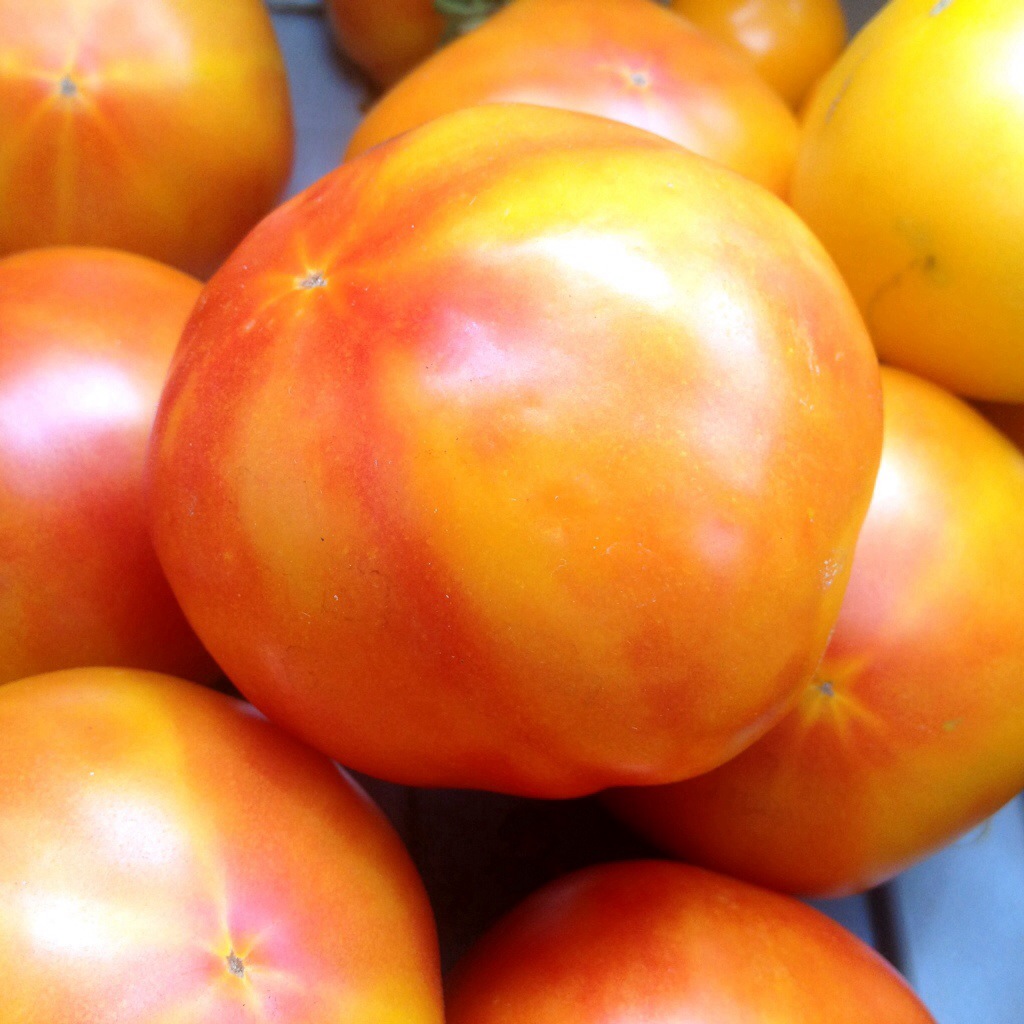
Today’s ARTfarm Monday, 3–6 p.m.: Sweet salad mix, baby arugula, baby spicy salad mix, cooking greens, sweet bell peppers, lots of fresh award-winning carrots, cherry tomatoes, large tomatoes, heirloom tomatoes, ***NEW!!!*** BI-COLOR TOMATOES***, cilantro, parsley, chili peppers, fresh Mediterranean figs, ice cream from I-Sha!
20140303-132959.jpg

ARTfarm Monday: Q & A with Farmer Luca

Q&A Monday with Farmer Luca

Q: What is your favorite fruit?
A: As of this very moment right now, FIGS. 20140224-111435.jpg

Live in the now! Today, from 3–6 p.m. on South Shore Rd.: Microgreens, sweet salad mix, teen spicy salad mix, teen arugula; TOMATO MADNESS with cherry tomatoes, big tomatoes, heirloom tomatoes in GREAT ABUNDANCE; radishes, onions, carrots, cooking greens, garlic chives, cilantro, parsley, hot chili peppers various types, farm fresh eggs from the ARTfarm chickens, and cute, cuddly, irresistible Mediterranean figs! And a new batch of I-sha vegan coconut milk ice cream in sweet, delicious St. Croix fruit and veggie flavors!!

ARTfarm Q & A Monday with Farmer Luca

Q: Why have you planted so many trees around your farm?

A: To attract bird watchers.

More on that in a moment: today’s Monday 3-6pm farmstand includes: sweet salad mix, teen spicy mix, teen arugula, baby arugula, cherry tomatoes, heirloom tomatoes, slicer tomatoes, recao, garlic chives, lemongrass, onions and carrots.

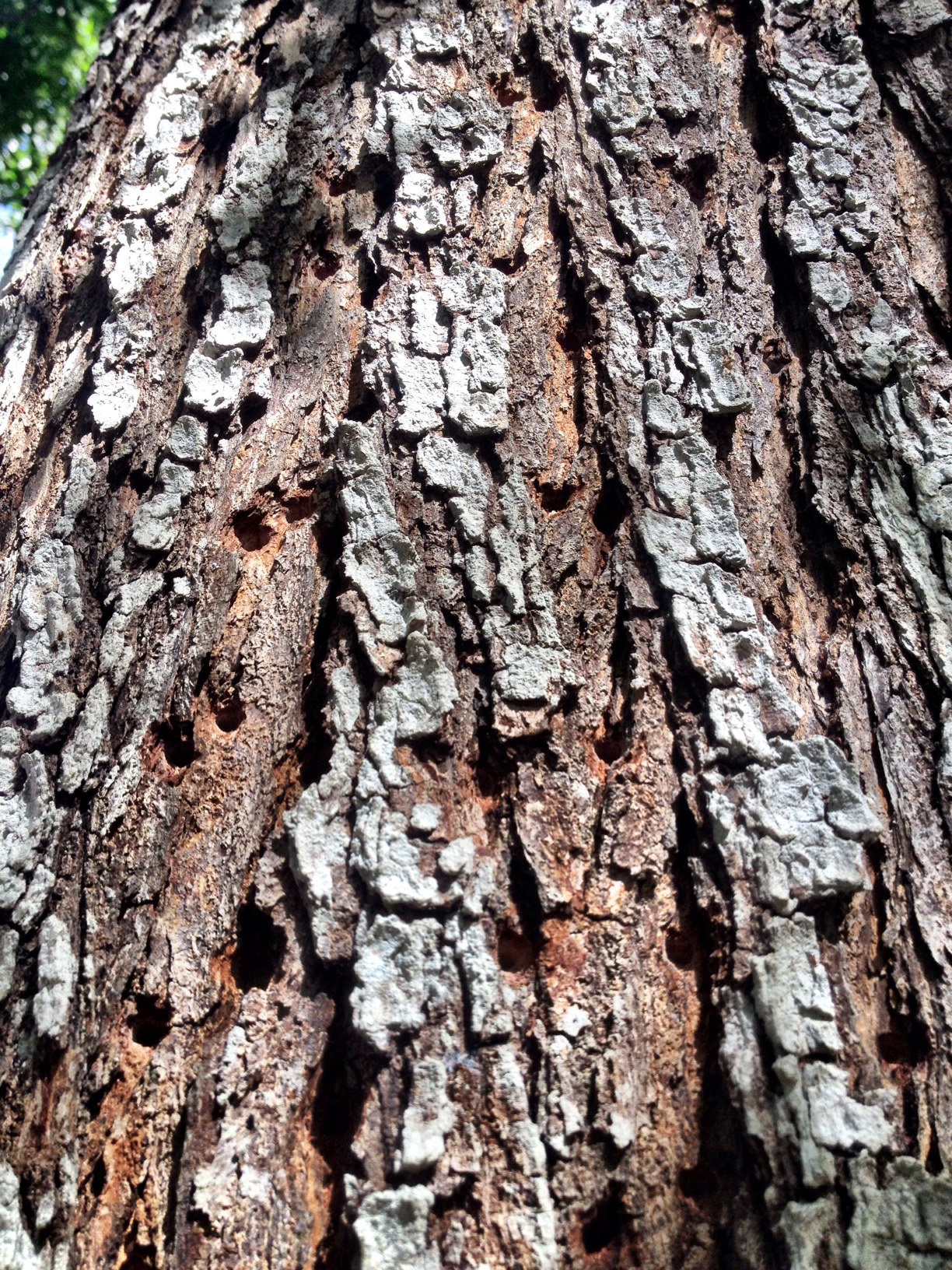
On January 27, we heard a strange noise in a densely shaded area of the farm. It sounded like this: We also heard tell-tale hammering on a tree trunk.

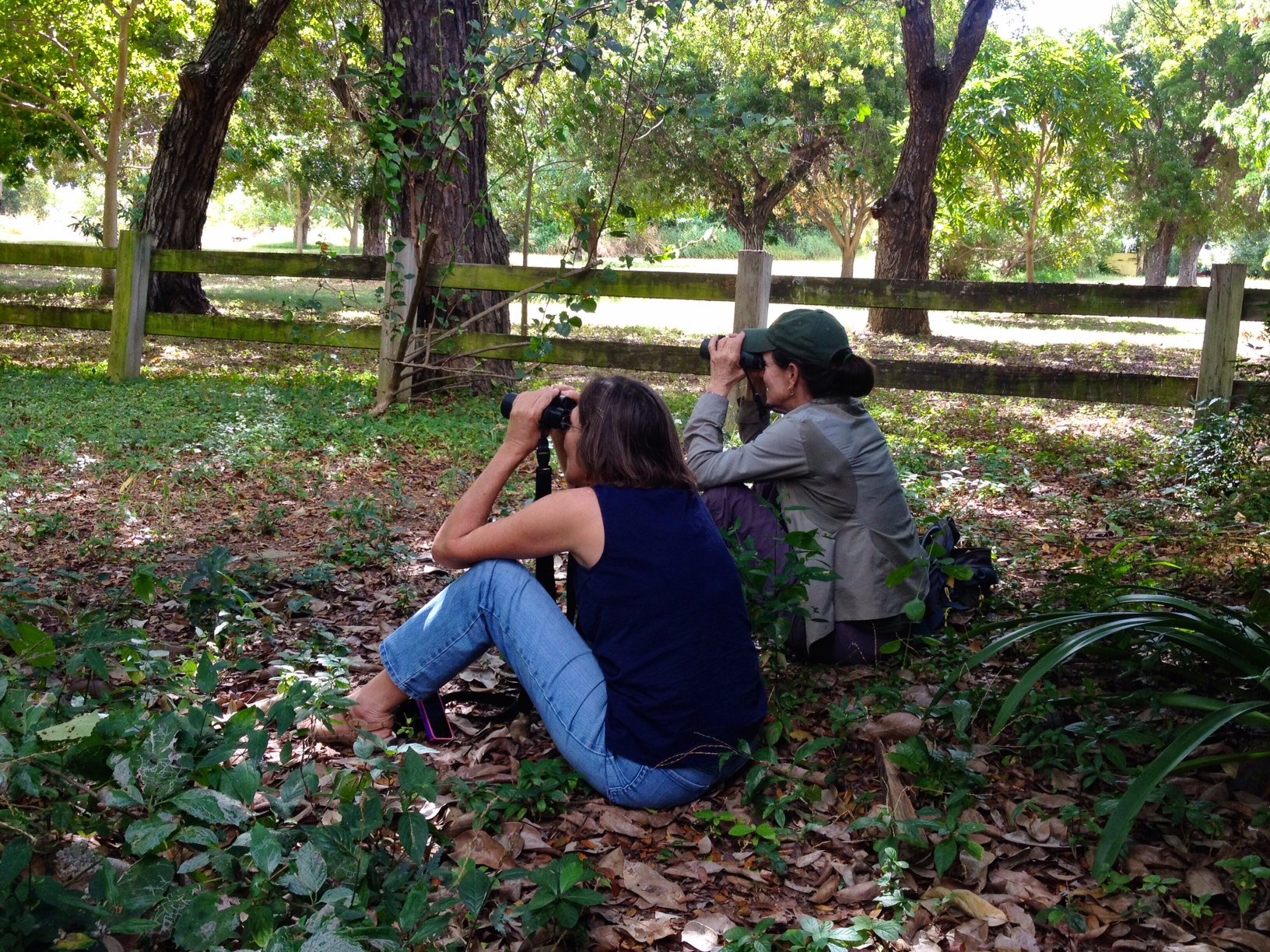
Christina called local birdwatcher Carol Burke of SEA, and biologist Claudia Lombard of US Fish and Wildlife, to try to identify the bird, who clearly was indicating to us that he or she was some kind of woodpecker — not something you typically encounter in the Virgin Islands. Soon, the farm started looking like this: treeholes
And then this: birdwatchers

The bird was indeed a woodpecker! It has been identified as a young female yellow bellied sap sucker. Female yellow bellied sap suckers spend summers in the northern regions of North America, and do venture south to Central America and parts of the Caribbean for the winter, but not often in the USVI. According to ebird.org, this is the first recorded sighting of one in the territory since 1999. Here’s a couple of Lisa Yntema’s shots! YBSapsucker_5Feb2014_Longford_LDY-7sm
YBSapsucker_5Feb2014_Longford_LDY-sm

Our little red headed lady has peppered the neem tree with tiny holes, which drip sap that she likes to drink. The sweet, sticky sap also attracts bugs, which attract lizards. It’s pretty interesting how one little bird can shift an entire ecosystem around herself. She’s so industrious, we might have to call her “Martha”.