


The school year is upon us: a time to come out of our summer relaxation mode. At ARTfarm we are taking a little time off from food production to work on projects around the farm, including upgrading our bee boxes and getting a little more serious about our beekeeping efforts.
Christina is delving into her beekeeping books and resources and stumbled across a real gem to share with anyone who is on a learning curve or is heading back to school with new challenges ahead of them.
We were fortunate to have a visit in person from Mr. Michael Bush last year. Michael is a beekeeper, lifelong learner, teacher, and author of the 600 page tome “The Practical Beekeeper.” Here is an excerpt, (c) 2004-2011 all rights reserved by Michael Bush and republished here with permission from the author:
“The most important thing you can learn in life is how to learn… Most people don’t know how to learn. Here are some rules about learning that I don’t think most people know.
“Rule one: if you’re not making mistakes you’re not learning anything.
“Making mistakes and learning are inseparable. If you’re not making mistakes you’re not pushing the limits of what you know, and if you’re not pushing those limits, you’re not learning. Make mistakes and learn from them. I’m not saying you can’t learn from other people’s mistakes or from books, but in the end you have to make your own mistakes.
“Rule two: if you’re not confused, you’re not learning anything.
“Confusion is the feeling you get when you are trying to figure things out. If you think back to the last card game you learned, you were told the rules, which you couldn’t remember, but you started playing anyway. The first few hands were terrible, but then you started to understand the rules. But that was only the beginning. Then you played until you started to understand how to play strategically, but until you got good at it you were still confused. Gradually the whole picture of the rules and strategies and how they fit together started to congeal in your mind and then it made sense. The only way from here to there, though, is that period of confusion.
“The problem with learning and our world view is, we think things can be laid out linearly. You learn this fact, add this one and that one and then finally you know all the facts. But reality is not a set of linear facts; it is a set of relationships. It is those relationships and principles that understanding is made up of. It takes a lot of confusion to finally sort out all the relationships. There is no starting and ending point, because it is not a line, it is circles within circles. So you start somewhere and continue until you have the basic relationships.
“Rule three: real learning is not facts, it is relationships.
“It’s kind of like a jigsaw puzzle. You start somewhere, even though it doesn’t look like anything yet. Everything you learn in any subject is part of the whole puzzle and is related to everything else somehow. It is much more important to have a few facts and understand the relationships, than lots of facts and no relationships. One little part of the puzzle put together is better than more pieces and none of them put together. Knowledge and understanding are not at all related. Don’t go for knowledge; go for understanding, and knowledge takes care of itself.
“Rule four: it’s not so important what you know as it is that you know how to find out.
“Tom Brown Jr. wrote a survival guide. I read survival guides all the time, but they usually frustrate me because they give recipes. Take this and that and do this with it and you have a shelter. The problem is, in real life you usually don’t have one of the ingredients. Tom Brown, though, in his chapter on shelter, showed how he learned how to build a shelter. Telling you how to build a shelter and telling you how to learn to build a shelter are as different as night and day. What you want to learn in life is not what the answers are, but how to find the answers. If you know that you can adjust to the materials and situations available.
“With apologies to C.S. Lewis (who said in A Horse and His Boy, “no one teaches riding quite as well as a horse”) I think you need to realize that “no one teaches beekeeping quite as well as bees.” Listen to them and they will teach you.”
Thanks, Michael, for letting us share your words with our customers and fans. Michael’s book is available at
http://bushfarms.com/bees.htm
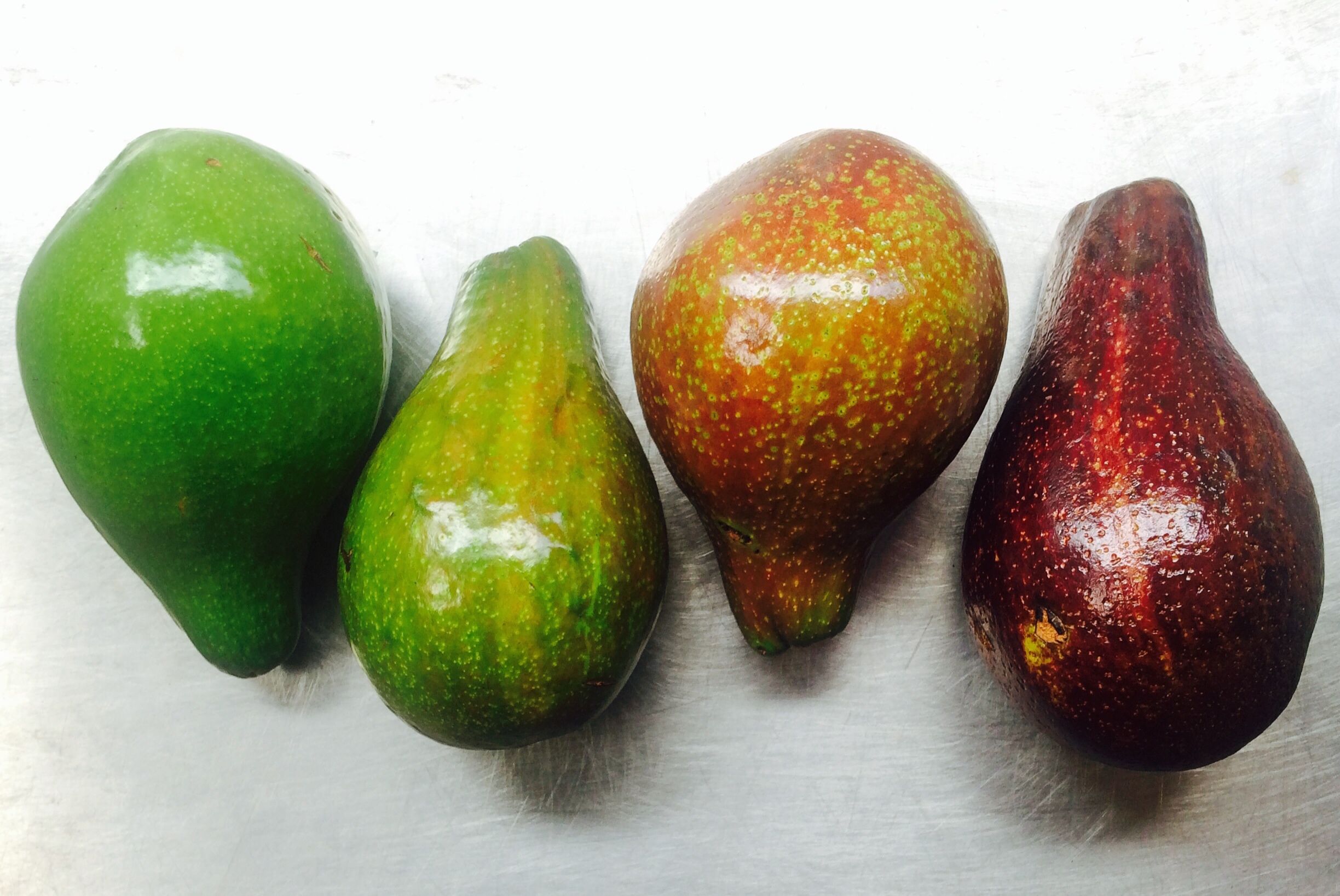
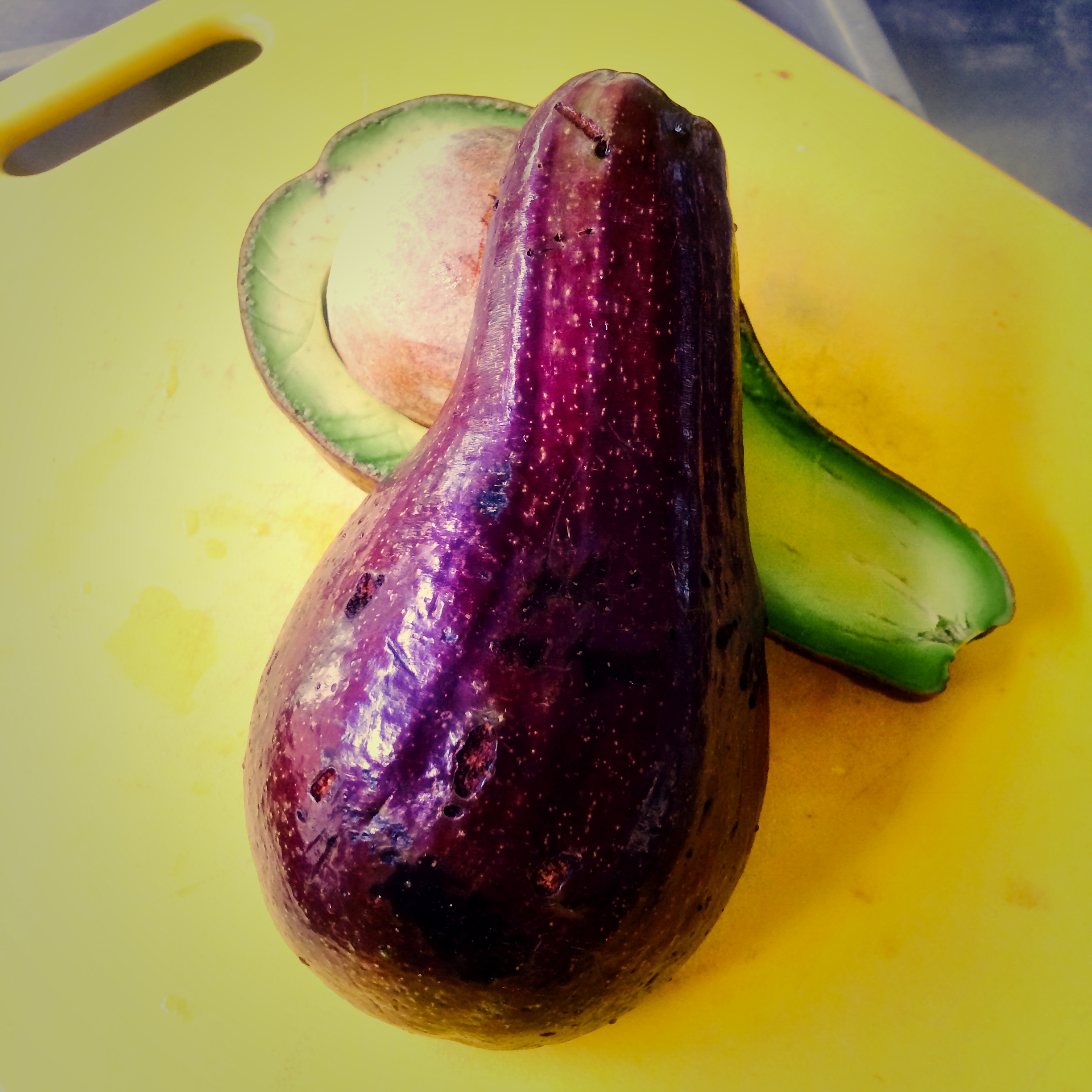
For Saturday, 10 AM – 12 noon, rain or shine: Sweet salad mix, teen spicy salad mix, teen arugula, cucumbers, onions with green tops, sweet potato greens, bunched arugula, garlic chives, basil, holy basil, Italian basil, lemongrass, recao, mint, papayas, bananas, passionfruit, and sweet soursop. From our partners: mangoes and avocados from Tita and Diego, Haitian kidney mangoes from Dennis Nash, a few dragonfruit from Solitude Farm, and artisanal breads from Tess.
Flood watches are in effect, so please drive carefully and err on the side of caution when passing through puddles.

 ARTfarm on St. Croix, USVI