ARTfarm Season Finale! Last Saturday

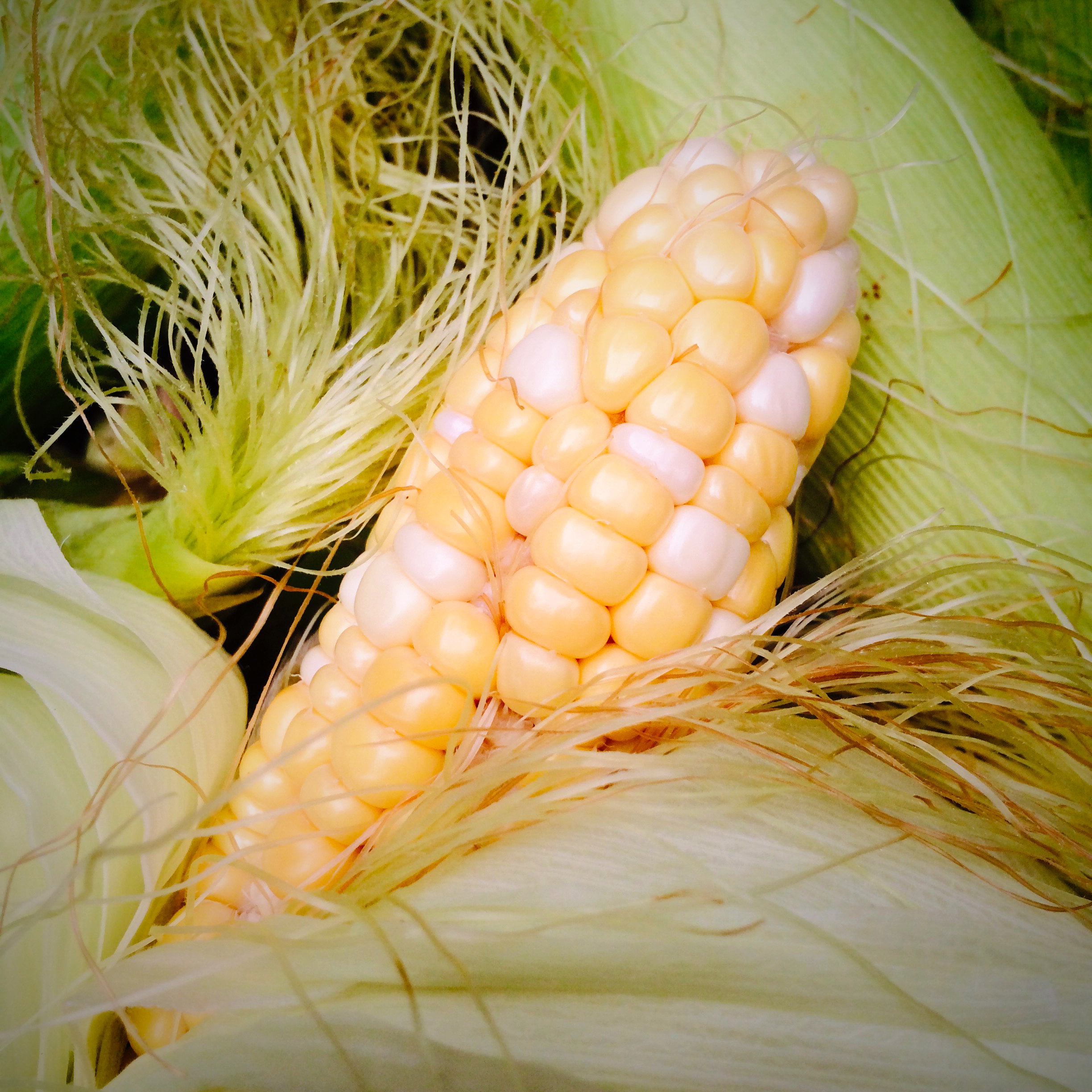
ARTfarm sweet cornAll good things must come to an end; summer, a great meal, a super dance club extended remix, and the season at ARTfarm. There will be a few weeks’ pause before the next season begins.

Today, 10am – 12 noon: Sweet salad mix, arugula, beets, sweet corn, onions, sweet potato greens, bunched arugula, Kang Kong Asian water spinach, Italian basil, holy basil, garlic chives, recao, mint, tarragon, bananas, papayas, and soursop! From our partners, we have dragonfruit from Solitude Farms, raw local dark honey from Errol, bread from Tess, and our famous “Shades of Joy” magic color indicator avocados from Tita & Diego.

Q&A: Someone stopped us in a parking lot the other day and asked us if our arugula was organic. For anyone who might be wondering, all ARTfarm produce is grown using organic methods, to the standards of USDA Certified Organic produce. In some cases, our sustainable practices exceed what is required by the USDA NOP (National Organic Program), and our farming philosophy and practices have continuously met our strict standards since 1999 on St. Croix.

BUT… it is against US law to claim that your produce is “organic” unless you have spent the time and money to achieve organic certification through a USDA approved agency. This involves lots of paperwork, expensive fees, a percentage of the farm’s profit going to a certifying agency on an annual basis, and flying an inspector to the island at the farm’s expense at regular intervals to examine our records and practices.

There are pros and cons to having the USDA organic stamp of approval. We respect those farms who have gone through the arduous process of becoming organic certified. We are considering the process, but are not interested in raising our prices to cover the cost. The official stamp from the USDA doesn’t seem to be important to most of our customers.

But is our arugula organic? If you really want to know, get to know your farmer. Ask about our farming practices. Ask how we raise food sustainably using organic methods. Ask us if we are involved in the community. Learn more about the debate and what growing organically really means, so you know the right questions to ask! You might just find the long answer as assuring and satisfying as the shortcut of a sticker stuck to your food. 😉

Love, ARTfarm

Is ARTfarm Organic?

Q: Is ARTfarm food really “organic”?

A: It depends.

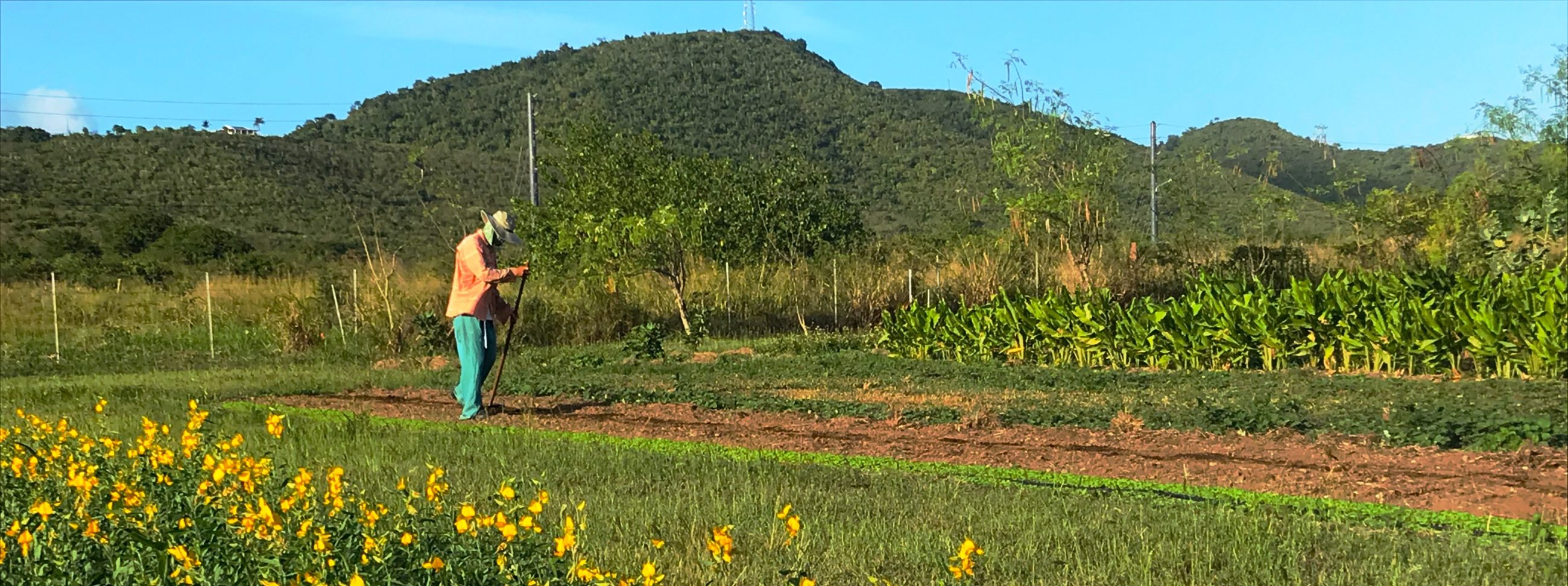
Luca has been farming on St. Croix to the specifications of the USDA’s National Organic Program (which regulates the certification of organic produce and farms in the USA) continuously since 1999. According to the techniques logged in our detailed farm records, we have either met or exceeded the USDA standards for the production of organically grown produce consistently over that entire period. ARTfarm in its current location is situated on pastureland that has been farmed and ranched (free of any chemicals or non-sustainable methods) continuously since the 1700s. However, we have not been certified officially by the USDA as a certified organic farm. Therefore, even though all of our produce is organically grown to USDA Organic specs, we cannot and do not legally claim that any of our products are “USDA Organic”.

MANY if not MOST small farms that fall under the jurisdiction of the USDA have chosen NOT to get certified, not because they aren’t practicing organic production techniques, but because it is a lengthy and rather expensive process that for the most part does not justify its expense. Unless you are a large farm growing commodity amounts of a crop to be sold as certified organic for use in packaged products, organic certification with the USDA is a marketing strategy. It does not change one’s farming philosophy or choice for or against sustainable techniques.

So, if a customer asks us if our arugula is organic, the answer is “officially, it is not considered organic by the USDA because it is not certified.” If a customer asks us if our arugula is grown to the standards of the USDA National Organic Program, we would say “Yes, all of our produce at ARTfarm is grown to the USDA organic specifications. We keep detailed records, we use sustainable farming methods, only when absolutely necessary do we sparingly use nonsynthetic treatments only of the type that are OMRI certified for use on organic farms. However we have not been inspected by a USDA approved organic certifying agency.”

If a customer asks us WHY we are not certified organic, we’d say, “We pursued it seriously and actively and found this: it’s incredibly expensive and not eco-friendly to fly in and house a USDA certified inspector from off island ANNUALLY, it involves reams of federal paperwork that is onerous and uses up many man-hours in labor, and we don’t believe our customers want to offset that cost in our prices. We’ve already got enough documentation chores from the local Department of Ag, and the USDA’s NRCS and FSA. We’d rather spend the time and energy growing more food. It simply does not align with our core values or the needs of our business to spend money and time getting USDA Certified.”

If a customer asks us WHY we bother to grow sustainably and organically, we’d say “We’re parents. We care about safety and want to trust that our farm is free from harmful substances. We’re artists. Organic sustainable growing is more harmonious, fascinating, challenging, and personally and aesthetically satisfying. We’re conscious humans. We care about stewarding the environment in the next seven generations and beyond. Big Ag loves to debate it, but we and the FAO think growing organically with sustainable practices is better for the planet. We’re foodies, and we agree with our customers and chefs who constantly tell us the food tastes better when you put that kind of care and love into it.”

Does it really matter if your produce is: locally grown with organic approved methods, by conscientious people you know personally, or: certified organic by a federal agency?

Our position is, yes, and no.

Morning Harvest Processional at ARTfarm. Open 10 AM – 12 noon, Beautiful Beets, Basil

20140621-072138-26498782.jpgThis harvest report just in from Farmer Luca: “Beautiful beets this morning with lovely greens. Also really nice basil — basil goes great with mangoes and pineapple for salsa with our sweet, flavorful red onions!”

Fresh today for you: sweet salad mix, baby spicy salad mix, baby arugula, microgreens, cucumbers, sweet corn, a handful of tomatoes, purple long beans, cooking greens, beets, radishes, onions, Italian basil, garlic chives, recao, mint, lemongrass, passionfruit, papaya, pineapples, tamarind pods, native trees and pineapple slips. All grown here using USDA NOP (organic) methods in the soil with rainwater.

From our partners we will have raw local honey, coconut vegan ice cream in local fruit flavors from Feeli, beautiful handmade breads from Tess, and mangoes plus free samples of some unusual fruits from Tropical Exotics!

Summer arrives tomorrow. Enjoy this fruity season!

ARTfarm is open every Saturday, 10 AM – 12 noon, and also Wednesdays 3–6 p.m., on S. Shore Rd. (62) between Ha’Penny Beach and the Boy Scout Camp. Come and visit us!

ARTfarm Saturday Farmstand

Sweet Saturday! Open 10 AM – 12 noon on the South Shore. Lots of goodies, despite the dry dry weather: Sweet salad mix, spicy salad mix, baby spicy salad mix, baby arugula, microgreens, kale, collards, mustard greens, large bunched arugula, radicchio, dandelion greens, Chinese cabbage, broccoli, broccoli leaves, Bodhi beans, carrots, beets, onions, fresh ginger root, cilantro, Italian basil, Thai basil, lemon basil, holy basil, dill, garlic chives, recao, epazote, mint, thyme, sage, rosemary, lemongrass, fennel, figs, cherry tomatoes, heirloom tomatoes, slicer tomatoes, pineapples, passionfruit, sweet corn, lettuce heads. We will also have vegan coconut-based ice cream from I-Sha, raw local honey from the Jolly Hill Apiary, and fresh local eggs, from Marti Gotts.

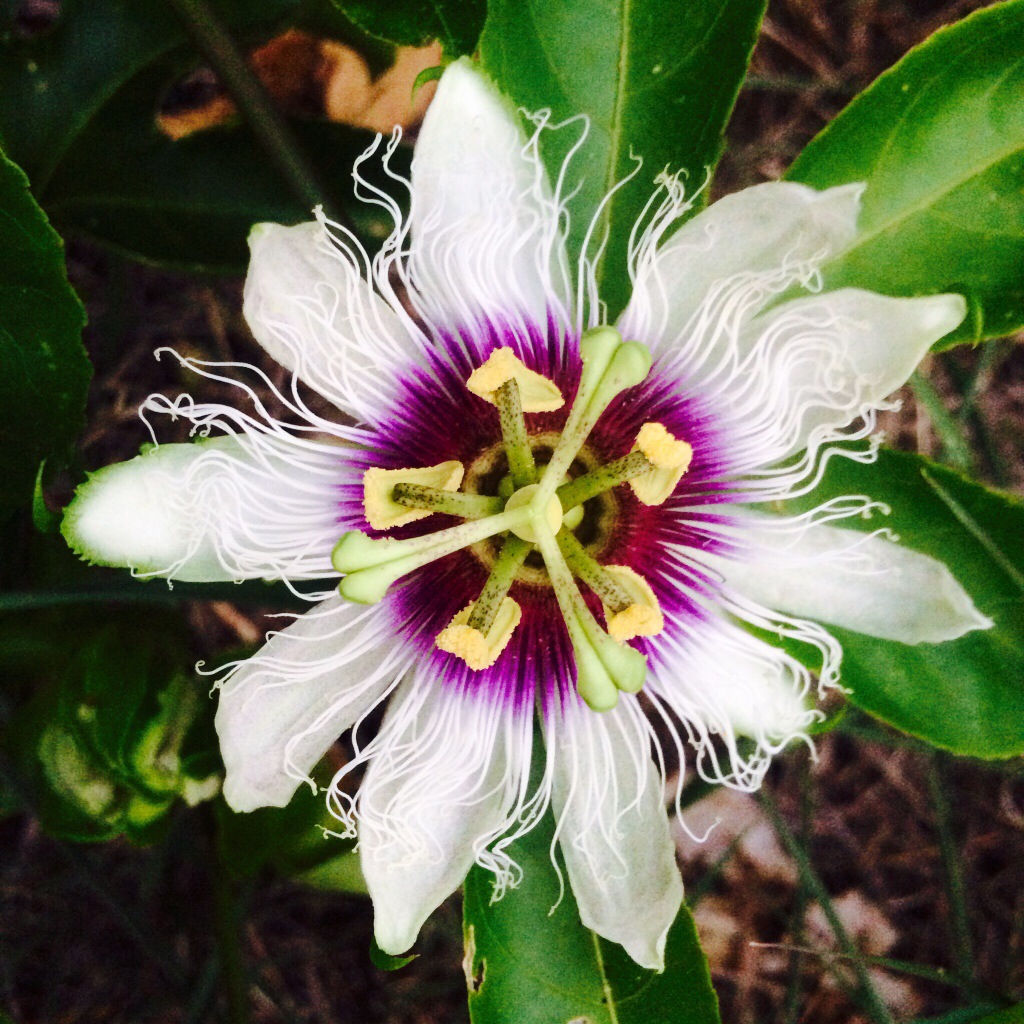
Lots of things are flowering (including our passionfruit vines) and the bees are going crazy! An eco-friendly way to get rid of a swarm of bees that are not desired in your home or yard is to call a beekeeper. They have special equipment and can remove the swarm safely to another location where they will happily continue to pollinate plants and make our world a sweeter and greener place. Purchase local honey, and you’ll always have the phone number of a nearby beekeeper right in your kitchen! 20140426-084259.jpg