Know Your Farmer Wednesday – Mongoose: ARTfarm Open 3–6 p.m. Today!

Sly Mongoose, all the dog dem know your name,
Oh, yes, sly mongoose, all the dog dem know your name.
You went into the mistress’ kitchen,
Take out one of she fattest chicken,
Put it into your waistcoat pocket
Sly mongoose.

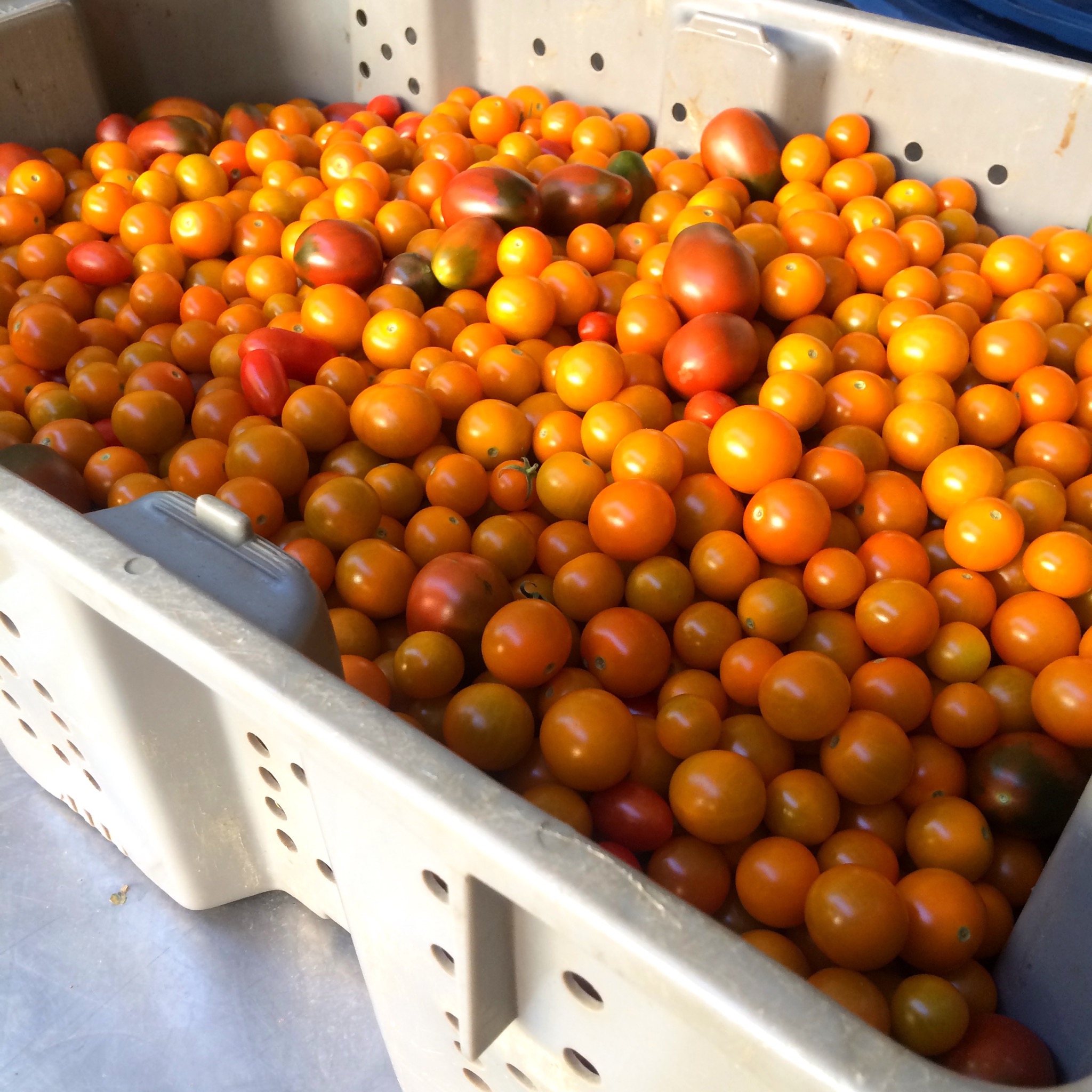
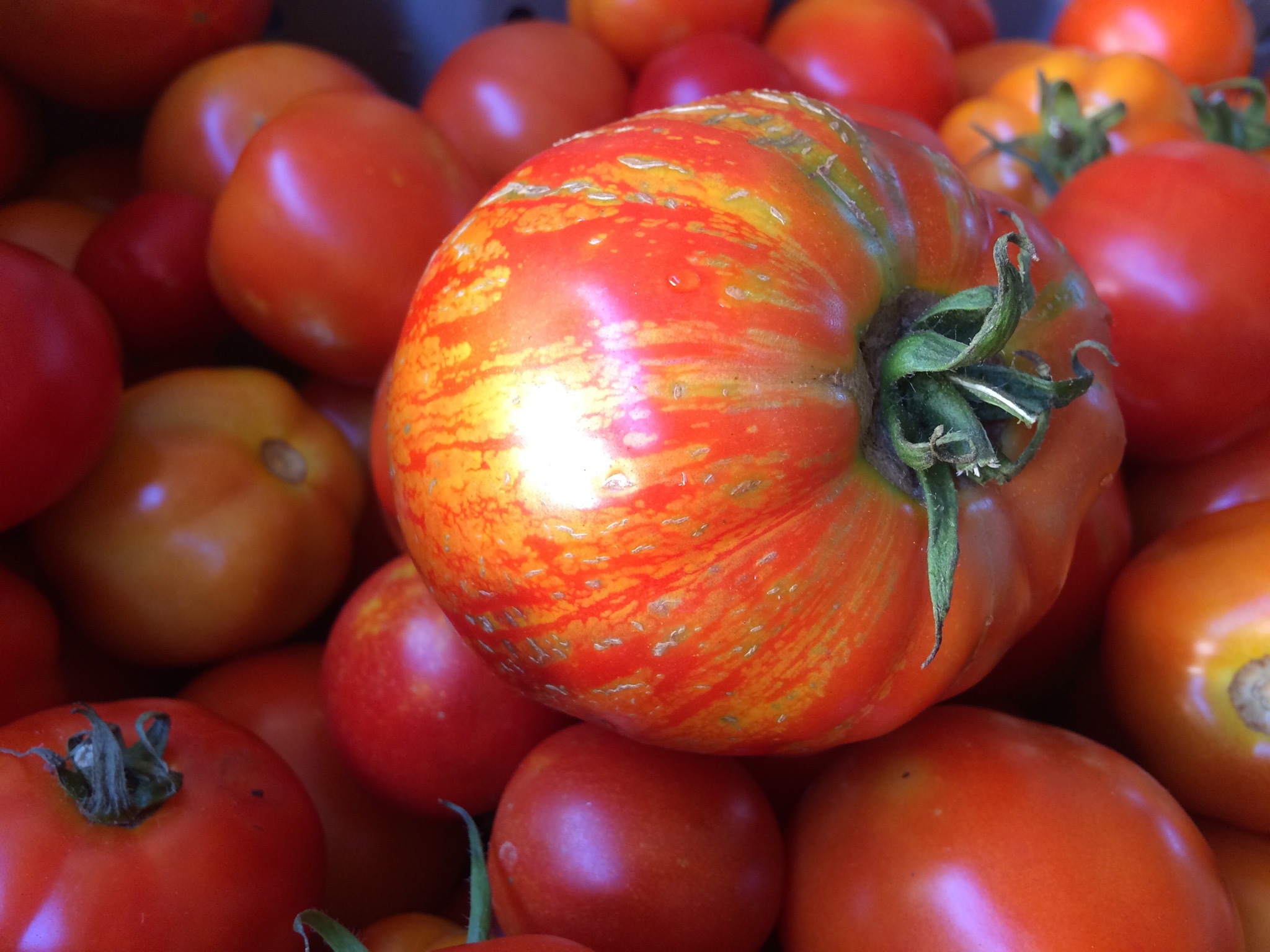
Before we get into today’s Farmer Q & A, here’s what we have for offer at the farmstand this afternoon: Sweet mix, spicy mix, bagged young arugula, microgreens, lettuce heads, slicer and heirloom tomatoes, a rainbow of cherry tomatoes, cooking greens, a few herbs, pineapples, lots of fresh Mediterranean figs, passionfruit, and raw local honey.

Q: Are mongooses (mongeese? mongii? mongoose dem? What is the plural of mongoose anyway?) good or bad?

A: On the farm, mongoose are both good and bad.

The mongoose often spotted in the Virgin Islands is a mustelid, a smallish member of the weasel family; specifically, the small Indian mongoose, (Herpestes auropunctatus) commonly seen in broad daylight crossing roadways and investigating roadkill on St. Croix. Deliberately introduced from India by way of Jamaica in 1884, toward the end of the height of the sugarcane production days on St. Croix, they were a failed attempt at integrated pest management to control accidentally introduced European rats in sugarcane fields. Mongoose usually sport a rough and bristly coat of a golden brown color, blending precisely in with drying grasses. Up close, they have reddish, beady eyes with horizontal pupils, sharp claws, and a mouth of sharp, jagged teeth, and will hiss, growl, scream and spit loudly and ferociously when cornered. Many a Caribbean island childhood includes a story of a mongoose encounter.

The famous Calypso song “Sly Mongoose”, quoted in part above, references their sneaky character, and there are other famous mongoose in literature. While it’s a bit anthropomorphic to assign an animal a certain type of “character”, nonetheless the mongoose has a behavioral habit of staying out of sight and keeping to cover. They hunt very stealthily, and often ‘steal’ food, such as eggs from nests or baby birds from cages. The mongoose was partially responsible, it is believed, for the decimation of the native iguana population on St. Croix and the complete extinction of over half a dozen or more native species of birds, lizards and insects in the West Indies. Due to its damaging effects on the ecosystem here, the VI government issued a bounty in the 1920s and 30s of 15 to 25 cents per head for mongoose. From what we’ve been able to gather, the bounty program didn’t come close to making a dent in the population.

Mongoose are entertaining to watch. They are graceful and efficient in their movements and powerful athletes. They are territorial, and creatures of habit, so you can often spot the same individuals as they ‘make the morning rounds’. They have great motion vision; but if you stand quite still a mongoose may come surprisingly close as they cannot see you clearly until you move. Mongoose often stand on their hind legs like a lemur to take in their surroundings, and while primarily solitary, the mothers attend to their young for several months and it’s not uncommon to see a matriarchal family group of three, loping across a road or through the pasture. The mongoose has become somewhat of a “mascot” or unofficial icon of the Virgin Islands, with even a radio station named after it (which plays mostly “imported” rock music, apropos). But, this small mammal is an invasive exotic that has, due to its predatory efficiency and lack of natural predators, reduced the biodiversity of the natural flora and fauna of the Virgin Islands. Perhaps the same could be said of many of the human population in the Virgin Islands, as well, with our development and fast cars. So who are we humans to point a finger?

We’ll start with the good: we believe that mongoose do predate on (hunt and kill) some animals that are harmful to our farm crops. These include small green iguanas, grasshoppers, grubs, and rats. They also may eat the occasional cane toad or “crapeau”, and other nocturnal amphibians, which can sometimes be damaging to young plants. Mongoose are burrow dwellers and tend to live in brush piles and in lumber piles, common around the farm, and they hunt throughout the day. They are not often found in trees and roofs like rats, but are able to climb in small shrubs to access fruit and bird nests, and like little badgers, are extremely ferocious when cornered. Mongoose are diurnal animals, meaning that they sleep at night like most humans do. This is in part why they were not the ideal predator control for sugarcane field rats and mice, which are primarily nocturnal, or active at night. But, if a mongoose comes across a rodent nest, they will help to control that population.

What’s the downside to the mongoose on the farm? They do steal chicken, turkey, guinea bird, and wild bird eggs, will kill young wild birds and young poultry, and will even attack day-old lambs in the pasture. They will also eat garbage and fresh compost materials. But perhaps most inconvenient of all, Farmer Luca made the unpleasant discovery that they are not solely carnivores. In fact, mongoose enjoy papayas, fresh Mediterranean figs at their height of ripeness, and other high-value fruit crops; we have taken to protecting the trees with guard dogs. And, the mongoose dem will damage irrigation pipes in an attempt to get to water in the fields; we have taken to leaving water dishes out for mongoose in periods of extreme drought to protect our drip lines from leaks due to their sharp teeth!

Off the farm and on the beach, mongoose have been witnessed eating endangered sea turtle eggs and St. Croix Ground Lizards, activities that would cause a human to be arrested. Efforts in the early 2000s by US Fish and Wildlife, and the National Park Service, have eradicated mongoose from two tiny protected cays (mini-islands just off the coast of St. Croix) in order to give these endangered species some respite from mongoose predation. Luckily, mongoose are poor swimmers.

Overall, the mongoose is a nuisance for a farmer, but helps to control other introduced nuisances. And who are we if not an introduced nuisance? So the sly little weasel gets a pass on the farm for the most part.

More on mongooses in the USVI from VInow.com, the National Park Service and the Journal of Mammology!

ARTfarm Wednesday, 3–6pm: free car wash!

Good morning! Things are very wet – so saturated that it’s difficult for plants and soil to take up much more of this sweet rainwater, but we still have healthy food for everybody: Microgreens, sweet mix, spicy mix, teen arugula, cucumbers, radishes, Bodhi beans, four types of basil, garlic chives, recao, pineapples, mangoes, and yes!! CHERRY TOMATOES, native trees, fig trees, pineapple slips, zinnia flowers, mango ice cream from I-sha, local superdark honey from Mr. Errol Chichester. Free car wash from mother nature with every visit to the South Shore today!!!

20131211-105416.jpg

ARTfarm Saturday! 10-12noon, Extra Flavor Plus Plants!

Happy Saturday! Open 10am – 12noon this morning! ARTfarm is still pumping out some fresh sweet juicy produce despite the severe drought conditions on the South Shore, so our food has extra intensity of flavor! Microgreens, arugula, sweet and spicy salad mixes, Swiss chard, broccoli leaves, kale, Chinese cabbage, beets, onions, cucumbers, tomatoes, cherry tomatoes, yard long purple beans, bell peppers, fennel, dill, cilantro, parsley, basil, garlic chives, thyme, rosemary, limes, ice cream, flowers, fresh juicy Mediterranean figs.

Grey harvest tubs side by side hold green cucumbers and sweet onions with the green tops on.
Freshly harvested and rinsed morning onions and cucumbers, ready for bunching and heading up to the farmstand! Happy Saturday!

We are also selling assorted organically started herbs and plants! Get a pot and grow some of your own ARTfarm varieties at home!

Farmer Luca works between several tables full of colorful young plants in cell trays.
Luca moves trays of ARTfarm seedlings. We have some varieties for sale right now! We don’t usually sell plant stock, but we are conserving water at the moment so you can take advantage and purchase some organically started plants for your own garden!

Get Fresh on Valentine’s Day!

Tell your love you want them to live a long, long time: buy them some healthy organically grown delicious fresh sweet fruits and veggies! (Love yourself, too!) Pick up some fresh farm flowers, some valentine-red tomatoes, some sweet magenta-red beets, deeply purple mustard greens, red passionfruits, and other love treats at ARTfarm this afternoon to make your Valentine’s dinner an expression of true love!

20130213-123624.jpg
Delicious ARTfarm beets, freshly harvested from the gardens, ready for you to turn into a red-themed dish for your loved one on Valentine’s Day (or any day you’re feeling the love)!

If you’re heading out to dinner tomorrow night, ARTfarm has you covered! You can enjoy our sweet fresh produce lovingly prepared by our favorite chefs at Savant, Salud! Bistro, Tavern 1844, Dashi, Tutto Bene, Kendrick’s, Cultured Pelican, Duggan’s Reef, and the Terrace at the Buccaneer.

20130213-123743.jpg
Passionfruits have a sweety-tarty flavor that adds lift and life to all kinds of recipes! Popular for juice, delicious eaten out of hand or with a spoon… one of nature’s amazing gifts! Happy Valentine’s Day!

For today’s pre-Valentine farmstand, 3-6pm, ARTfarm is offering unconditionally: Fresh cut flowers, beautiful red tomatoes, cheerful cherry tomatoes, romantic Mediterranean figs, adorable hot pink radishes, tender teen arugula, sweet salad mix, spicy salad mix, beautiful fresh beets with their greens, crunchy cucumbers, purple long beans, onions, garlic chives, mustard greens, basil, sage, cilantro (frilly and flat leaf), dill, local honey, vegan ice cream!

20130213-123856.jpg
Hot pink, sweet and spicy little breakfast radishes make a tasty little salad for the love bunny in your life. Crunch crunch!